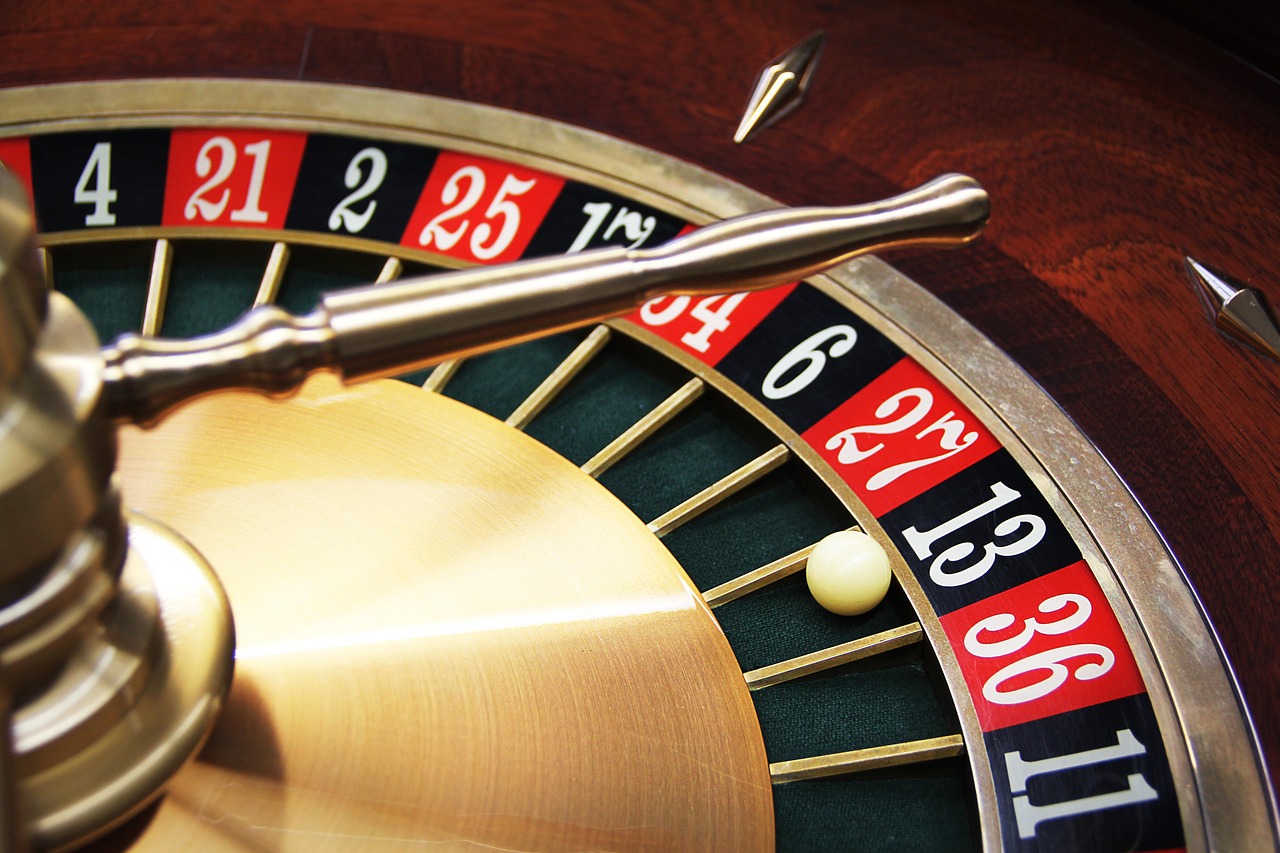


Ask a casual observer why anyone plays casino games, and you'll get the same tired answer: people are bad at math. Spend an evening in a live poker room in Macau or a late-night slots session on your phone, though, and a different picture emerges. The people winning consistently aren't lucky. They aren't delusional either. They've simply figured out that iGaming is less about beating the house on every spin and more about managing variance, exploiting bonuses, and picking games where the odds don't chew you up alive.
That distinction matters more than ever. The global online gambling market is projected to blow past $150 billion by the late 2020s, and the audience has shifted from smoky back rooms to smartphones in living rooms. But the fundamentals that separate a profitable player from a donor haven't changed since the days of riverboat card sharps. Let's break down what actually works.
Every casino game carries a Return to Player percentage, and it's the closest thing to a guaranteed truth in gambling. A slot with a 96% RTP returns, on average, $96 for every $100 wagered over millions of spins. The house keeps the other $4.
Here's the trap. Two slots can sit side by side with wildly different RTPs, and the machine doesn't advertise it. Online, reputable operators publish these numbers in the game info panel. Land-based casinos in the US often run slots at 85-90% RTP because there's no legal requirement to disclose it. That's a brutal spread compared to the 96-97% you'll find on many online titles.
Pick the wrong game and you're donating an extra 10% of every bet. That compounds fast over a session.
Two slots with identical RTPs can play completely differently. A low-volatility slot like Starburst pays small, frequent wins. A high-volatility title like Money Train can sit dead for 200 spins, then dump 500x your stake in a single bonus round.
Neither is inherently better, but your bankroll decides which one you can survive. If you're sitting down with $50 and low volatility will keep you alive for hours, that's your pick. If you've got $500 and you're chasing a headline win, high volatility gives you a real shot.
One practical tip: check the max win cap. Some slots cap wins at 5,000x, others at 100,000x or higher. It sounds academic until you hit a monster multiplier and discover the ceiling clipped your payout.
Poker is the only mainstream casino game where a skilled player can reliably beat the field long-term. It's also the fastest way for a decent player to lose money by playing the wrong stakes against the wrong opponents. This is explained well on nhacaitangtien.com.co.
Three things separate profitable poker players from break-even grinders:
Online poker makes game selection easier but also floods tables with strong regulars using tracking software. If you're starting out, play micro-stakes and accept that the first 50,000 hands are tuition.
Welcome bonuses look absurdly generous until you bump into the wagering requirements. A $1,000 bonus with 40x wagering means you must bet $40,000 before withdrawing a cent. At a 96% RTP slot, the expected loss on that turnover is $1,600. The bonus is mathematically negative for most players.
Good value hides in the details:
A bonus with 10x wagering and 100% slot contribution is worth grabbing. A 50x bonus tied to slow-contributing table games is decoration.
Tilt kills bankrolls. The same emotional spiral that wrecks a poker session—chasing losses, doubling stakes in anger, playing past your planned stop time—applies equally to slots and roulette.
Discipline looks boring in practice. It also works. Set a hard session budget. Set a win target. Walk away when either hits. Use deposit limits, session reminders, and reality checks—every regulated operator must now offer these tools.
Variance also means short-term results say nothing. A profitable strategy can lose for weeks. A terrible strategy can win big once. Judge decisions, not individual spins.
Here's the uncomfortable truth: in pure chance games, no strategy changes the house advantage. RTP is fixed. Slots don't pay out more because you spun 300 times without a win—that's the gambler's fallacy. The house edge compounds the longer you play.
So how does anyone gain ground?
Everything else is marketing. Land-based and online both want the same thing from you—time on device—so the rules of engagement are identical.
If you love the action, embrace it as entertainment with a cost, not an investment. Treat the money you deposit as the price of the experience, the way you'd budget for a concert ticket. If you want to actually profit, poker and sports betting with real edges offer the only honest paths. And for casino games? Play the good versions, exploit the bonuses, keep your sessions short, and never convince yourself that a slot is “due.”
The house edge guarantees they win eventually. You just get to decide how long eventually is--and whether you had fun on the way down.

The Seasonal Plot shares practical, down-to-earth guidance on british seasonal gardening and outdoor living for readers across the UK.


Leave A Comment